
Meet the 9000th amphibian: a milestone and urgent conservation call
Yun-Ming Mo and Zhong Huang, Natural History Museum of Guangxi
Zhi-Tong Lyu, Chengdu Institute of Biology, Chinese Academy of Sciences
Jian Wang, Guangdong Polytechnic of Environmental Protection Engineering
A thumbnail-sized wonder from China’s karst
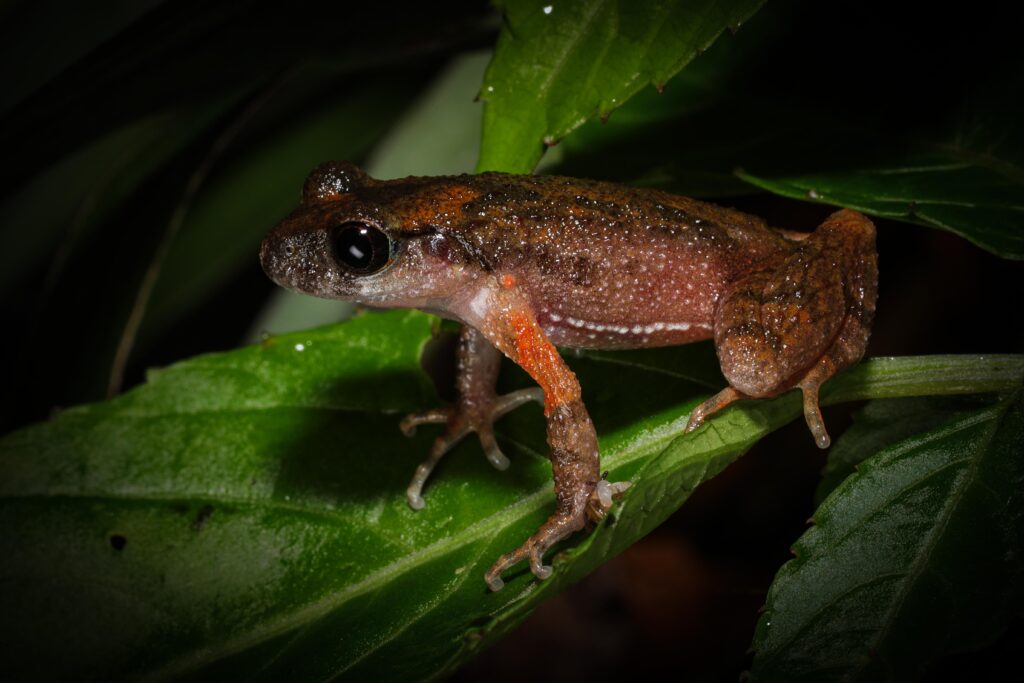
Calling all amphibian enthusiasts! Thrilling news from the mist-shrouded karst mountains of South China: the global amphibian family welcomes a spectacular new member, and a landmark milestone. The Huaping leaf litter toad (Leptobrachella cathaya) is the world’s 9000th recognised amphibian species (see this post for the history of the amphibian species list).
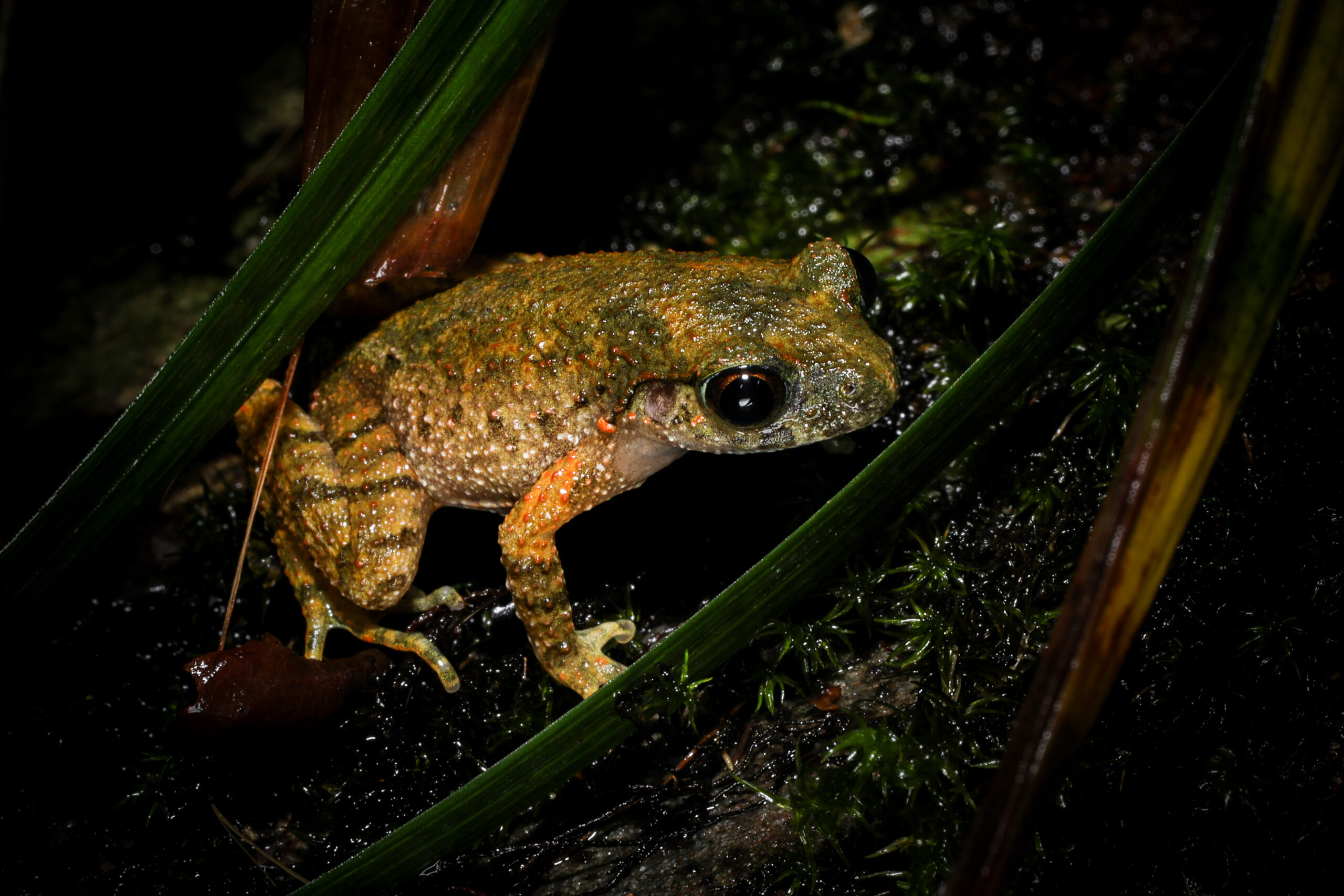
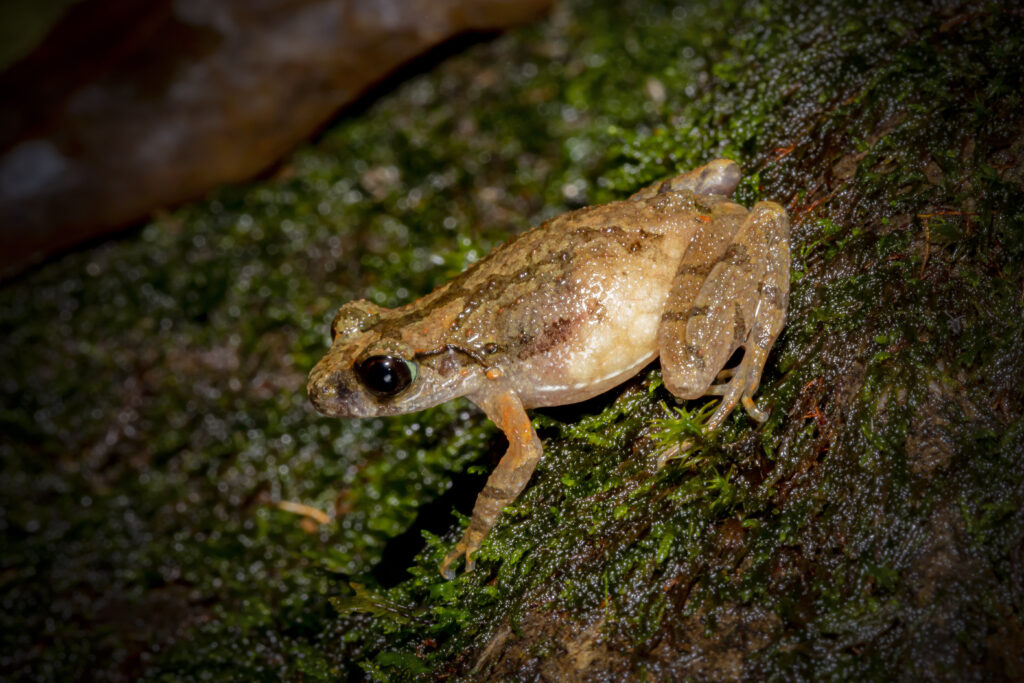
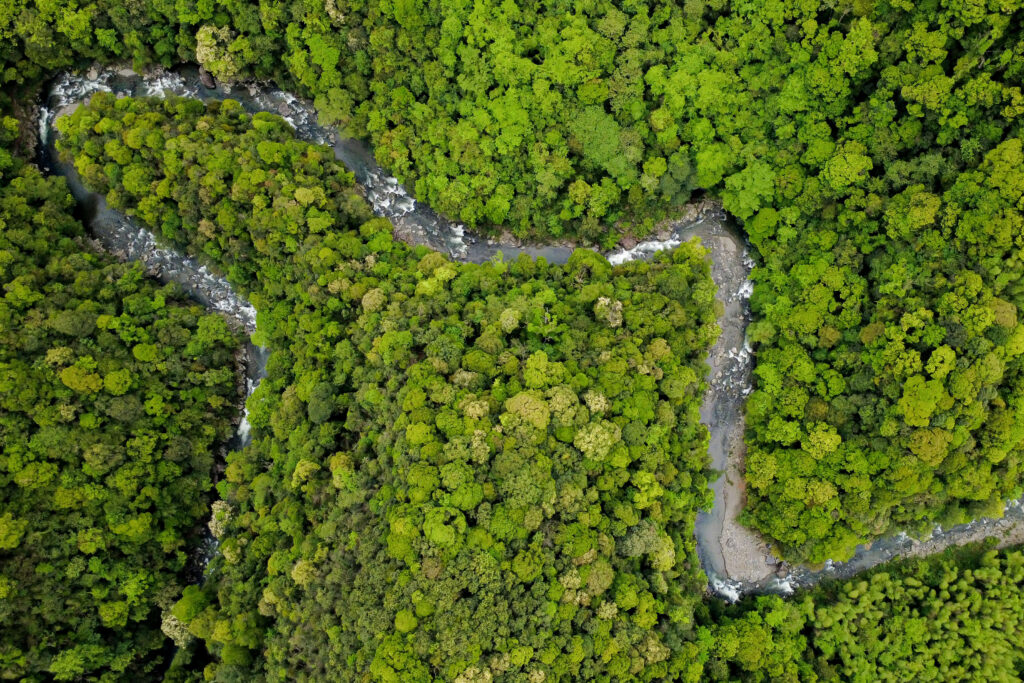
This thumbnail-sized forest floor dweller was discovered in Guangxi Huaping National Nature Reserve, a breathtaking yet ecologically fragile karst landscape. It boasts a striking coloration, a distinct tympanum and a mesmerising bicolored iris: coffee-brown on the upper half and shimmering silver on the lower. Its specific epithet, cathaya, pays homage to the reserve’s endangered Cathay silver fir (Cathaya argyrophylla), a testament to its unique and invaluable ecological niche in the local ecosystem.
How science confirmed a new species
The discovery is a story of meticulous research. Through detailed morphological comparisons and phylogenetic analyses, researchers confirmed that this toad is different from the Maoershan leaf litter toad (L. maoershanensis), and a distinct evolutionary lineage.
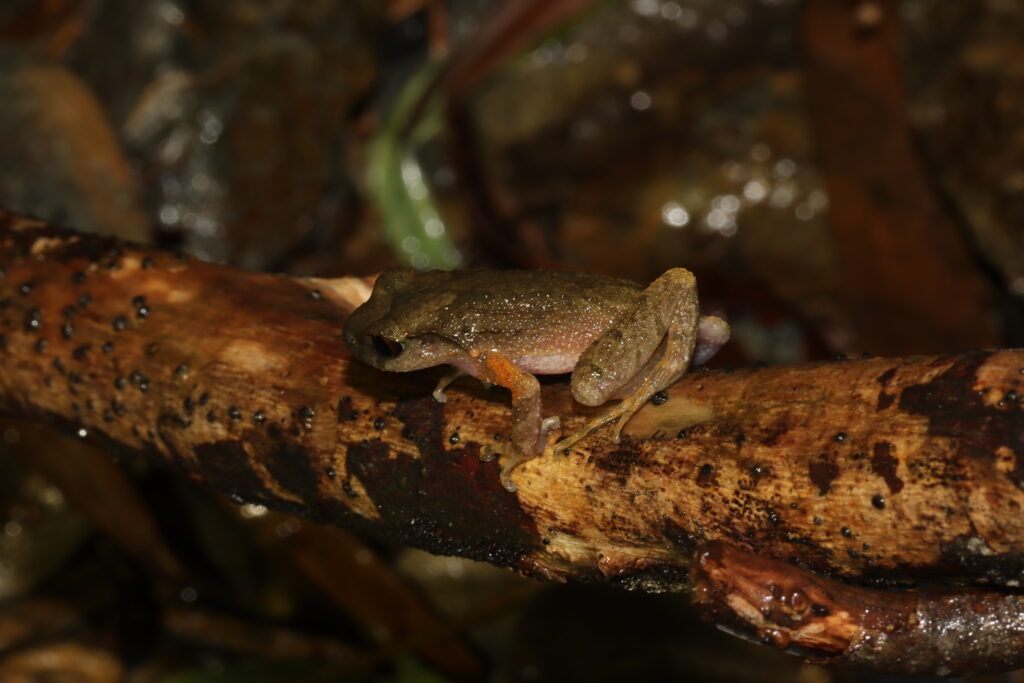
Even more fascinating: it shares its streamside habitat with another congener, the Dong leaf litter toad (L. dong), via an ingenious temporal niche partitioning strategy. The Huaping leaf litter toad breeds during the water-abundant summer months, while the Dong leaf litter toad reproduces from late winter to early spring, an adaptation that allows the two species to coexist without resource competition.

A milestone shadowed by urgent threats
Yet joy is tempered by grave concern. Leptobrachella cathaya – “Species #9000” – faces immediate and pressing threats: its range is restricted to a handful of mountain streams, and its microhabitat is under pressure from ecotourism infrastructure, habitat fragmentation caused by plantations, and potential water pollution. For a species with such a limited distribution, these threats imperil its very survival, making conservation action imperative.
Why this matters: Beyond the 9000th mark
The Huaping leaf litter toad represents a momentous milestone in the exploration of amphibian diversity, but it also serves as a critical wake-up call: countless unknown species may vanish before we even discover them (see this FrogLog article on species descriptions and threats).
South China’s karst regions are a treasure trove of cryptic frogs, including members of Leptobrachella. The accelerating rate of new species descriptions is not an “explosion of life”; rather, it reflects our growing understanding of biodiversity that has long been overlooked—and which faces severe threats. This milestone underscores that discovery and conservation are inseparable: to name a species is to assume responsibility for it.
What we must do now
As we welcome the 9000th amphibian species to the global family, let’s advocate for it and its undiscovered relatives by strengthening habitat conservation in key reserves, promoting sustainable land use and tourism practices, and supporting comprehensive biodiversity surveys across these critical landscapes.
Describing a new species should never be an endpoint. It’s a call to action for urgent conservation. Welcome to the planet, Huaping leaf litter toad! May your calls echo through mountain streams for generations to come.
Reference:
Huang et al. (2026). A new species of the genus Leptobrachella (Anura, Megophryidae) from Guangxi Huaping National Nature Reserve, South China. Zootaxa, 5752(4), 475–494. https://doi.org/10.11646/zootaxa.5752.4.2
Addition by the ASG
The 9000th species is just a milestone on the long list of species description, and many more are to come.
The IUCN and other international organisations follow the species list currated by Dr. Darrel Frost from the American Museum of National History. Please see here for the history of the list.
No Comments Yet