Task Force Co-coordinators:
Dr. Mariana Retuci Pontes and Dr. Michelle Abadie
Current members:
- Dr. Diego Baldo
- Dr. Luis Marin da Fonte
- Dr. Márcio Borges-Martins
Dr. Raúl Maneyro
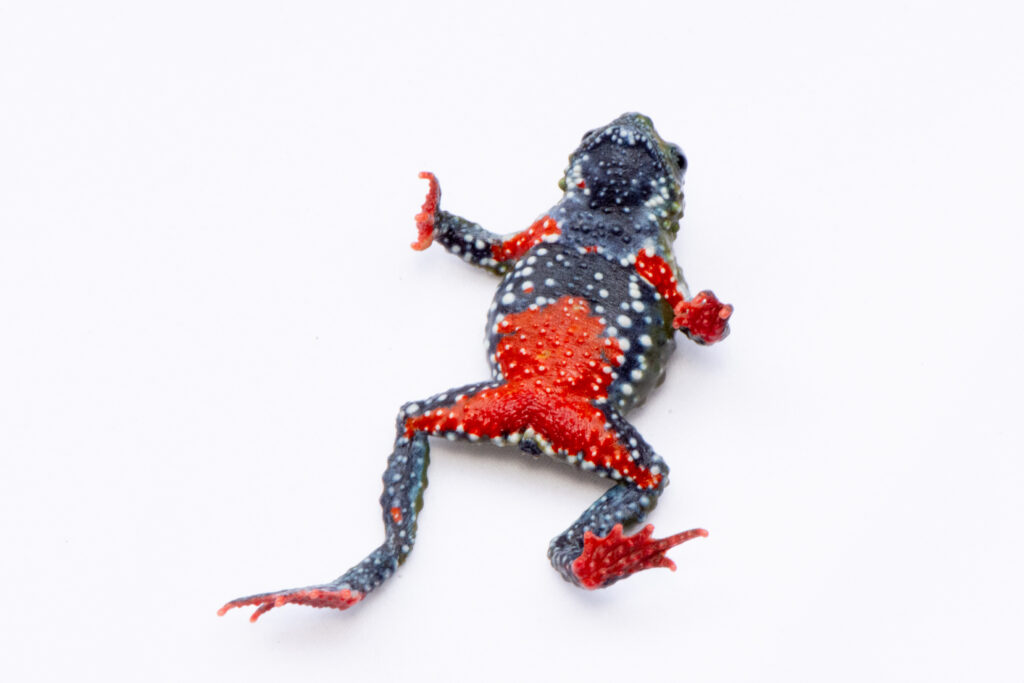
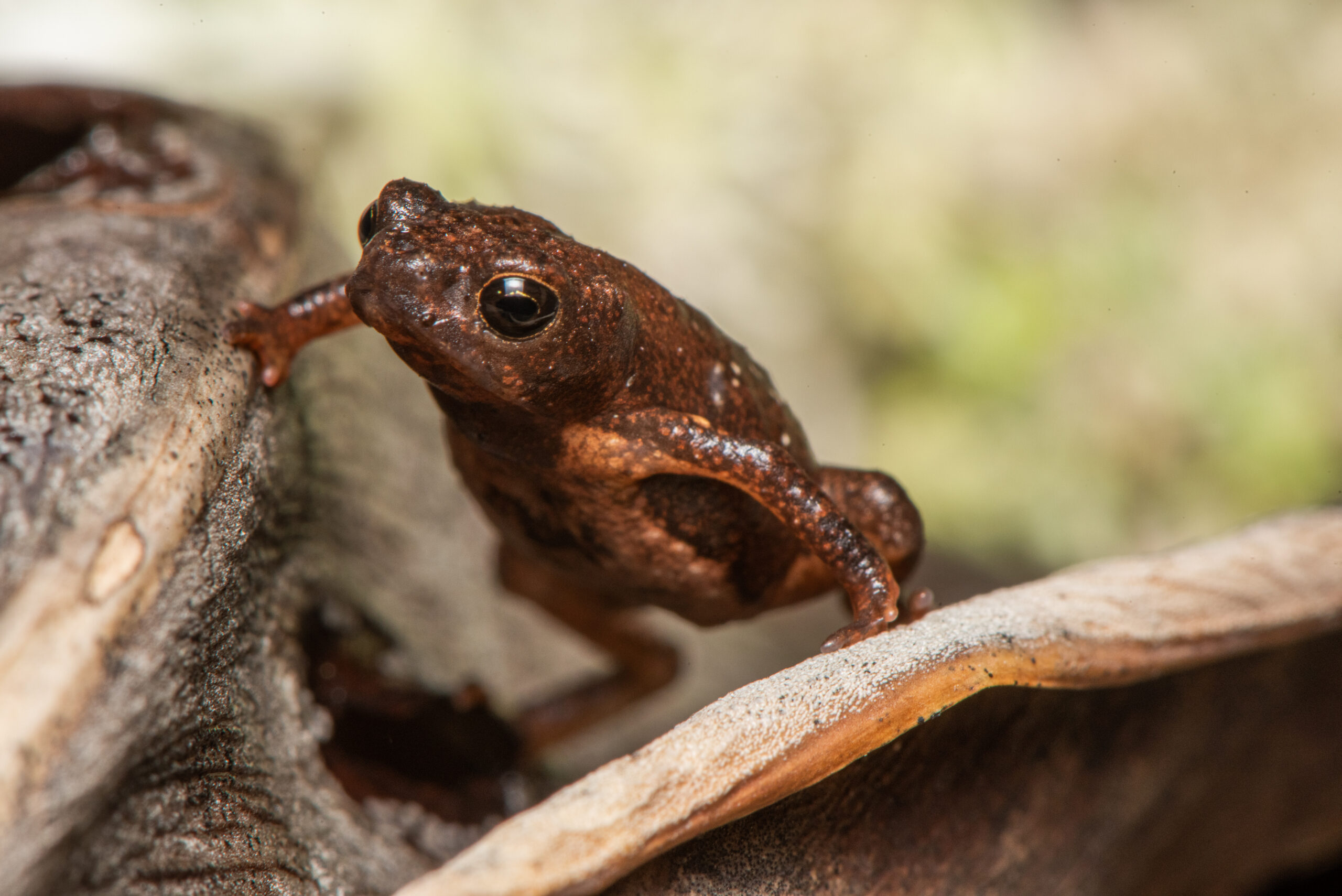
Commonly known as redbelly toads, the genus Melanophryniscus (family Bufonidae) is exclusive to South America, distributed across tropical and subtropical regions including Uruguay, southern and central Brazil, northern and central Argentina, Paraguay, and central Bolivia. With 31 species in the genus, Brazil harbors the highest number of species (22), followed by Argentina (10), Uruguay (6), Paraguay (6) and Bolivia (1).
With a remarkable colour pattern, Melanophryniscus species are amongst the most conspicuous anurans in the Neotropical region, known for their aposematic coloration. They exhibit great ecological and reproductive diversity, breeding in streams and ponds and in small water bodies held by plants, known as phytotelm. Inhabiting a wide range of ecosystems, from tropical savannas and open grasslands to biodiversity hotspots such as the Atlantic Forest, some redbelly toads have highly restricted distributions and reduced population numbers.
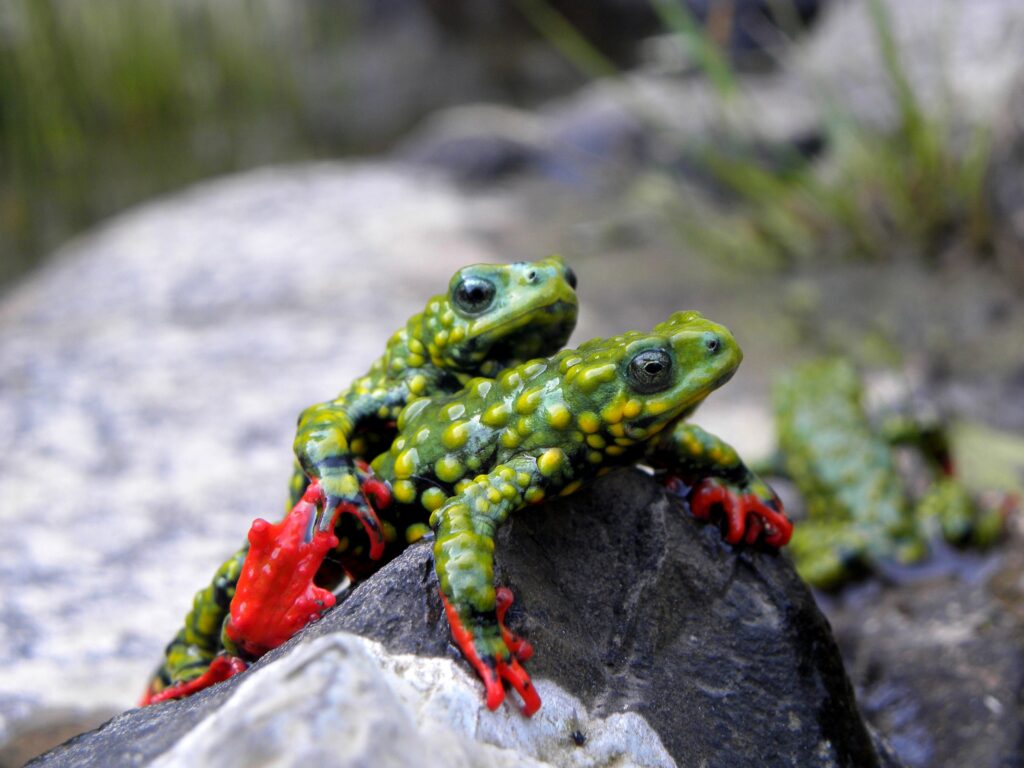
Of the 29 species assessed on the IUCN Red List, 41% are currently listed as Vulnerable, Endangered, or Critically Endangered. Nine of the 12 threatened species show declining population trends, and are experiencing ongoing habitat degradation. One CR species, Melanophryniscus peritus, is possibly extinct. Two species are yet to be assessed. Current Red List assessments were conducted between 2019 and 2023 and will be revised in 2025 as part of the third Global Amphibian Assessment (GAA3).
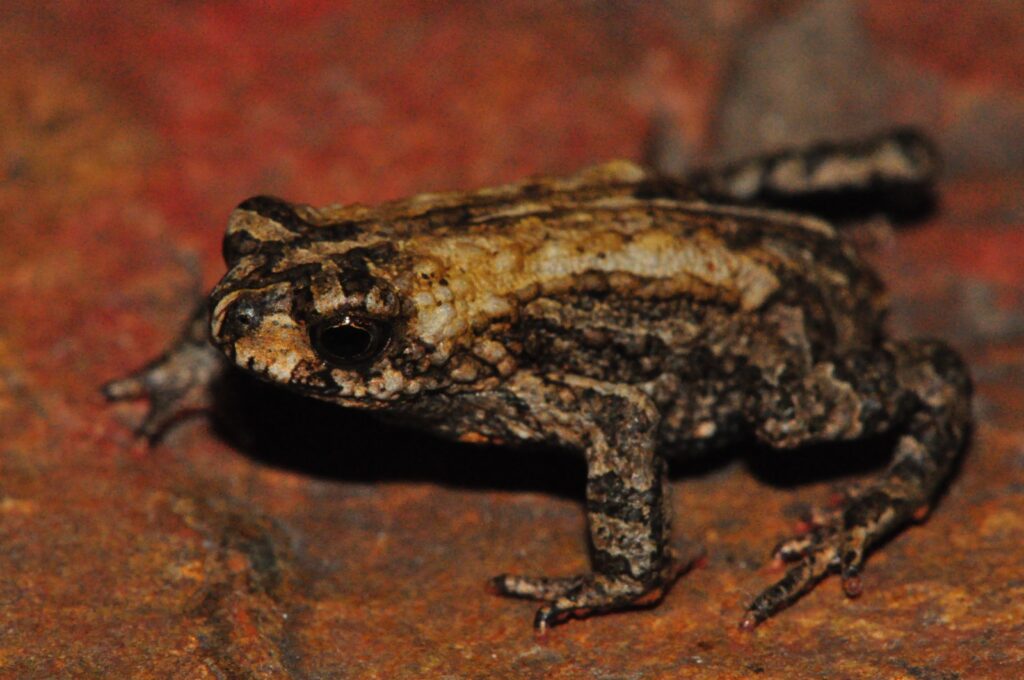
Given the high proportion of threatened species and the urgent need for targeted conservation actions, the IUCN SSC Amphibian Specialist Group has established the Melanophryniscus Task Force. The primary goal of the Task Force is to catalyse evidence-based conservation efforts for Melanophryniscus species across countries. This includes organizing conservation planning workshops, identifying and prioritizing targeted species and conservation actions, coordinating species threat assessments and engaging with relevant stakeholders for a collaborative strategy development.